
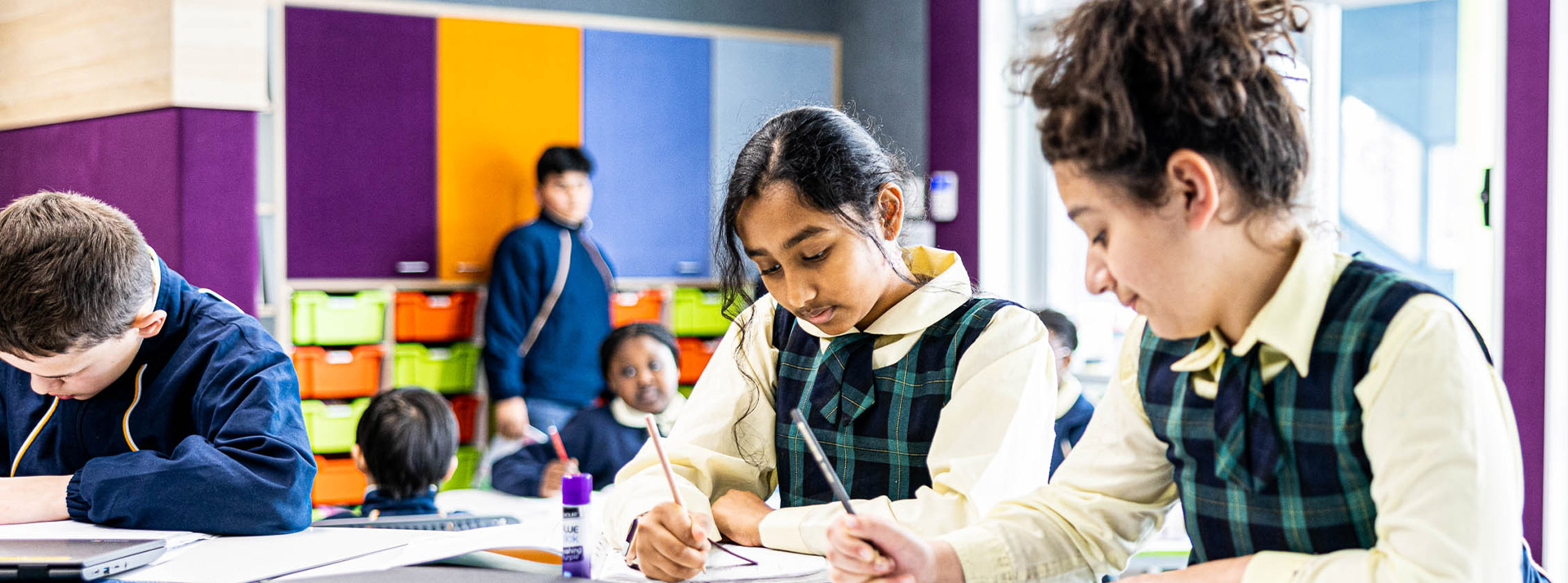
If you've ever assumed that attending a Catholic school means you have to be Catholic and that the fees are expensive, you're not alone. It's a common perception, but for many families, the reality looks quite different.
You don't need to be Catholic to belong.
Catholic schools offer character formation that respects the religious and non-religious backgrounds of all students. Day to day, faith shows up through kindness, resilience, service to others, and a genuine sense of belonging, built through learning and social justice programs that let kids make a real difference.
The curriculum looks a lot like you'd expect.
Catholic schools teach the NSW curriculum and are proud of the academic achievements of our students. Religious Education is designed for students of any religious or non-religious background. For those students who are Catholic, it aims to support them in understanding their faith. For other students, it aims to help them learn more about a Catholic understanding of life.
Academic results speak for themselves.
Catholic schools consistently punch above their weight - strong HSC results, dedicated teachers and a genuine sense of community that means every student is known and supported.
The benefits last well beyond graduation.
A 2025 study using HILDA data found Catholic school graduates were, on average, more likely to be employed, reported higher life satisfaction and better general health, were more likely to donate to charity, and earned a 4-11% wage premium vs government-school peers after controls.
And the fees question - it's more affordable than people assume.
Catholic education isn't the exclusive, expensive world some parents imagine. Fees are kept as low as possible, with families paying less each day than they'd spend on everyday essentials like lunch or parking. Sibling discounts are available, flexible payment plans are standard and schools work with families experiencing genuine financial hardship. No family is turned away simply because of their inability to pay.
The bottom line:
Catholic schools today are inclusive, high-achieving, values-driven communities. The best way to see what one is really like is to experience it firsthand. Attend an open day or speak with staff about the programs and community that make each school unique.
Curious what this looks like in Western Sydney and the Blue Mountains?
Catholic Schools Parramatta Diocese (CSPD) is a community of 80 schools where every family is welcomed and supported to thrive. With affordable fees, high-quality learning programs, state-of-the-art facilities and a strong focus on wellbeing and belonging, CSPD schools empower every child to strive for greatness.

Catholic Schools Parramatta Diocese
www.parra.catholic.edu.au
-
06 Aug 2026
From Facebook
Next Tuesday at 7pm, 11 August, The Good Shepherd Parish will be hosting the First-Class Relic of St Clare of Assisi, which will be available for all to venerate as we celebrate the feast of this beloved Saint. Before Mass, there will be a talk presented by Camille Bautista, a 2020 graduate of St Clare's High School who also previously served the school as a teacher's aide. She will be sharing a reflection on the life and witness of St Clare. The evening is being hosted by Capuchin Young Adults Plumpton, who are guided by the Capuchin Friars (like Fr John) and are made up of St Clare’s HS and St Francis of Assisi Primary Shool alumni. It is a wonderful opportunity during this Jubilee Year of St Francis and the 800th anniversary of his passing to honour the deep friendship and shared spirituality of St Francis and St Clare.16 Jun 2026
From Facebook
💬 Year 6 Voice of Youth Workshop 💬 A Captivate educator came to SFA to coach the Year 6 students on being effective in speech delivery in preparation for the upcoming diocesan speech competition, Voice of Youth. A fantastic morning spent learning about the importance of us as presenters of a key message we want to send to our audience. The students engaged in activities to help build their confidence. Year 6 have walked away much more comfortable to deliver a speech about something important to them. Students will begin to prepare their speeches in class lessons upon returning to Term 3.
Latest news More news
28 Sep 2026
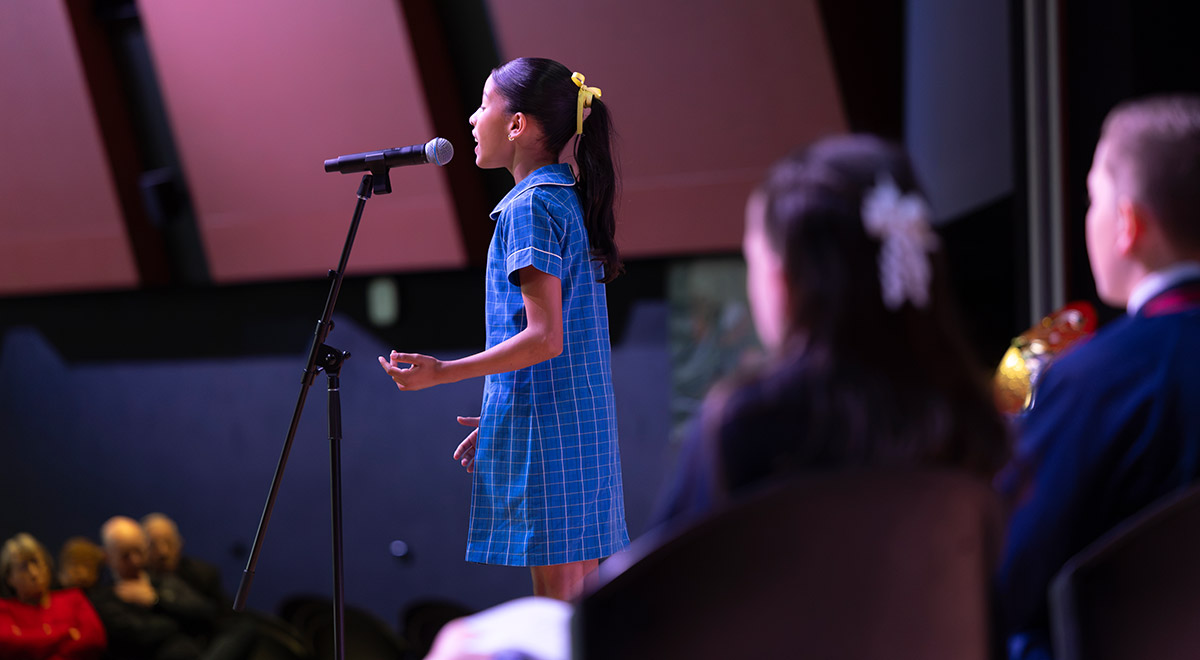
Celebrating 40 years of Voice of Youth and the power of student voice
Six Year 6 students from 58 Catholic Schools Parramatta Diocese (CSPD) Primary schools came together at St John XXIII Catholic College Stanhope Gardens on 22 September for the Voice of Youth Grand Final, showcasing their public speaking skills through a series of thoughtful and engaging speeches.
28 Aug 2026
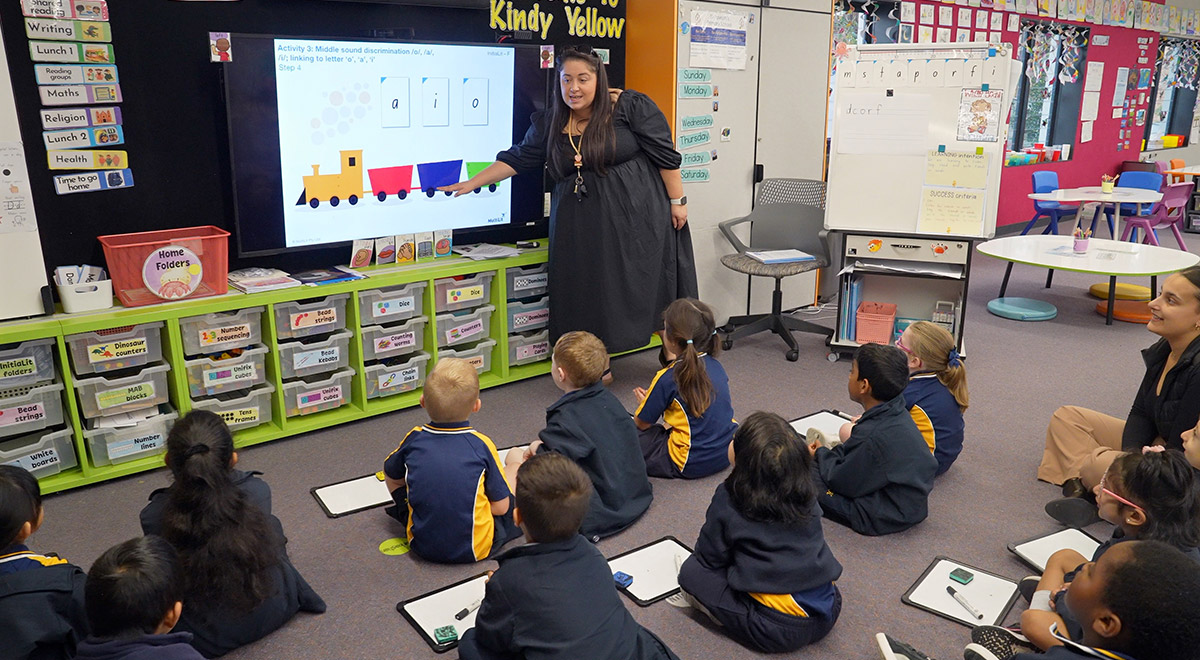
Our schools are cracking the reading code
Do you remember how you learned to read? For a vital skill that is linked to all other learning, it’s surprisingly difficult to explain how to go about learning it.

20 Aug 2026
Six Habits That Help Children Develop a Love of Reading
Book Week is a celebration of stories, imagination and creativity, but helping children love reading isn't just something that happens during one week of the year. The good news? It doesn't take expensive resources or hours of extra time. Often, it's the small, everyday habits that make the biggest difference.
06 Aug 2026
From Facebook
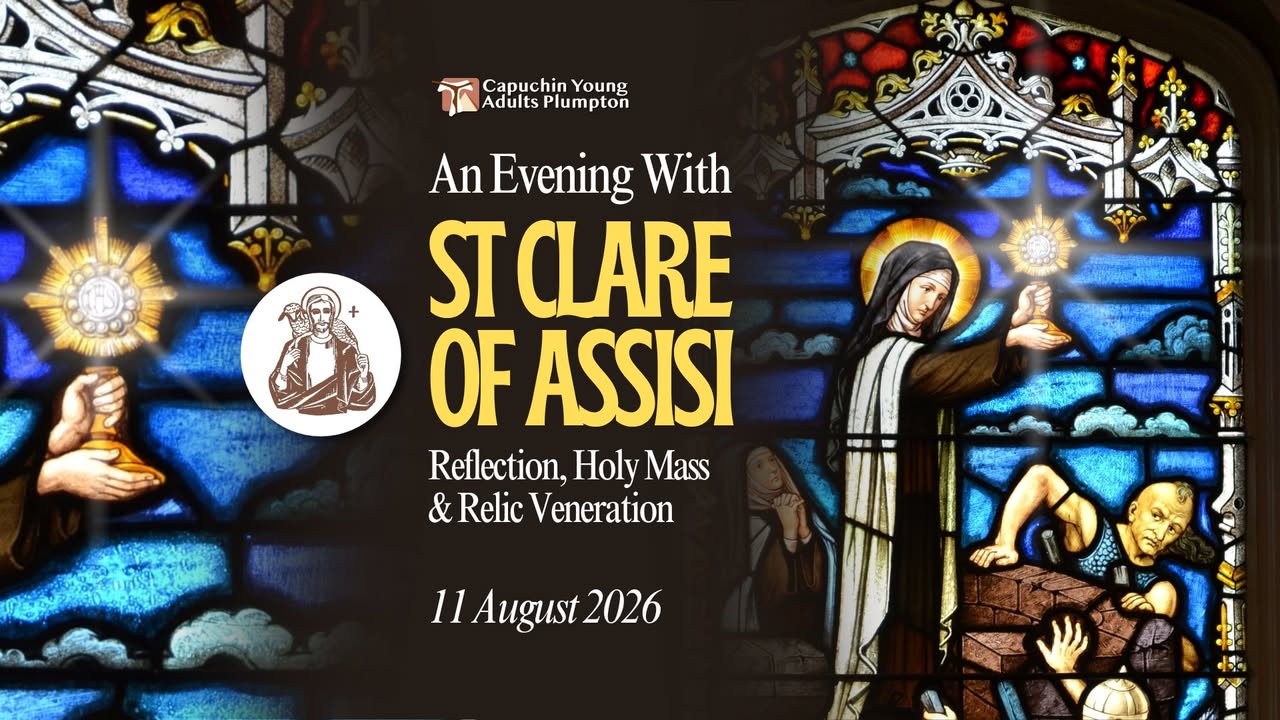
Next Tuesday at 7pm, 11 August, The Good Shepherd Parish will be hosting the First-Class Relic of St Clare of Assisi, which will be available for all to venerate as we celebrate the feast of this beloved Saint. Before Mass, there will be a talk presented by Camille Bautista, a 2020 graduate of St Clare's High School who also previously served the school as a teacher's aide. She will be sharing a reflection on the life and witness of St Clare. The evening is being hosted by Capuchin Young Adults Plumpton, who are guided by the Capuchin Friars (like Fr John) and are made up of St Clare’s HS and St Francis of Assisi Primary Shool alumni. It is a wonderful opportunity during this Jubilee Year of St Francis and the 800th anniversary of his passing to honour the deep friendship and shared spirituality of St Francis and St Clare.
28 Jul 2026
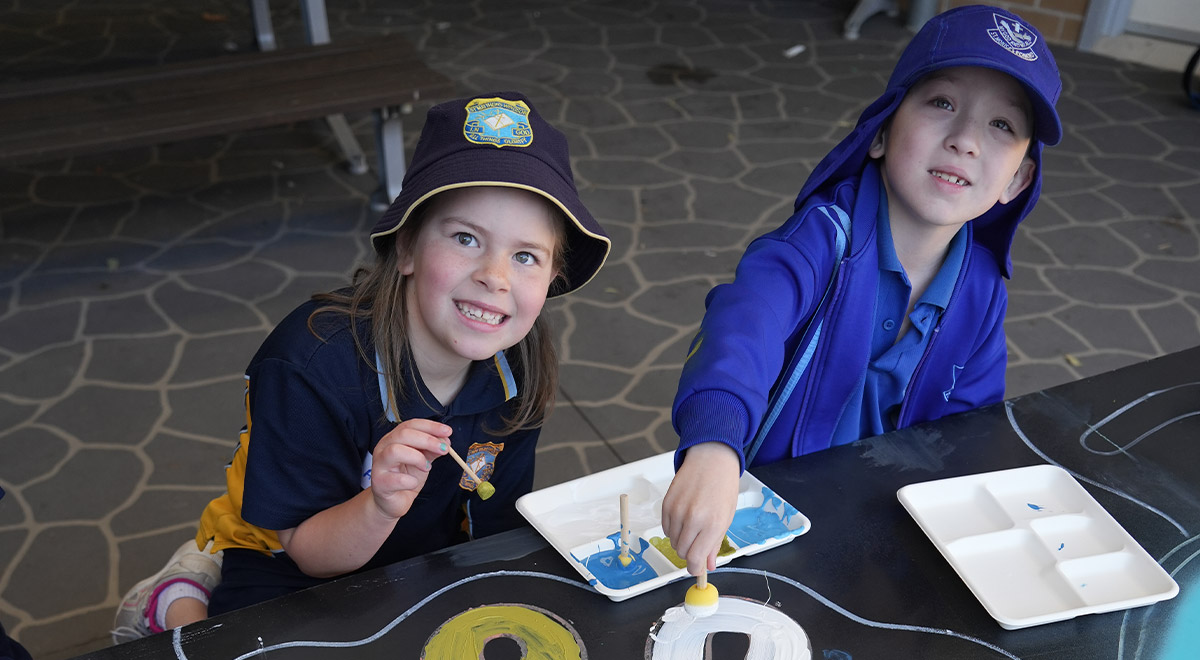
Action and Progress: Western Sydney Catholic Schools release 2026 Closing the Gap Report
Catholic Schools Parramatta Diocese (CSPD) has released its Closing the Gap Report 2026, detailing efforts to enhance educational equity, community engagement, and cultural capability across its 80 schools in Western Sydney and the Blue Mountains.
17 Jul 2026
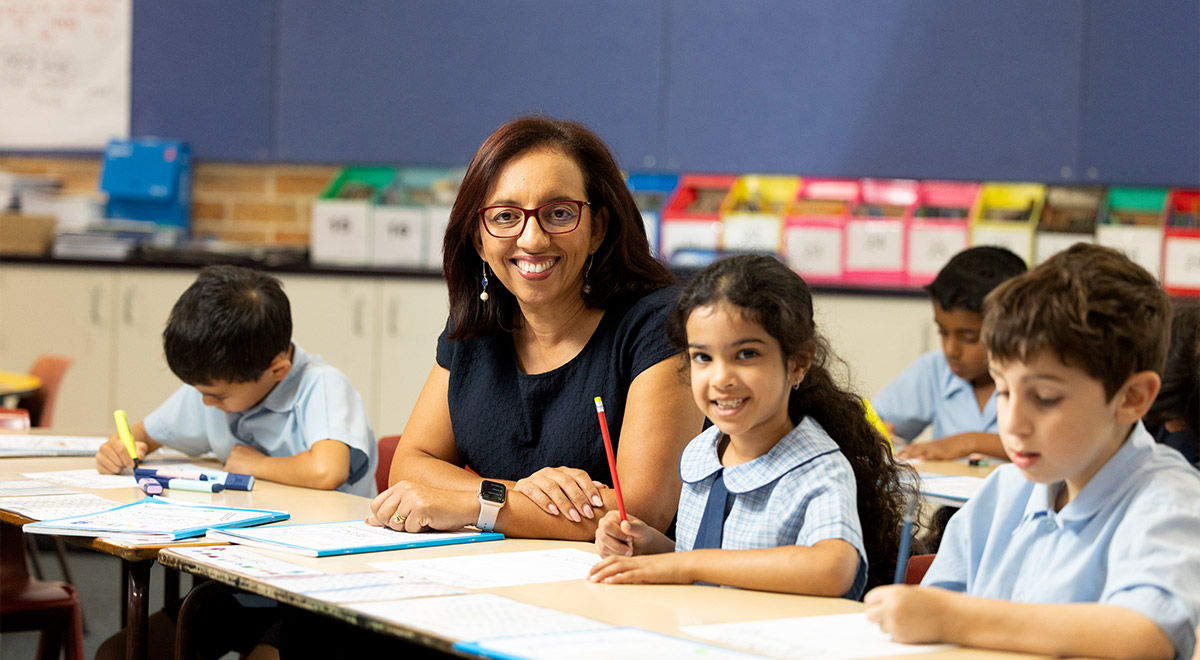
What's It Really Like to Send Your Kid to a Catholic School?
If you've ever assumed that attending a Catholic school means you have to be Catholic and that the fees are expensive, you're not alone. It's a common perception, but for many families, the reality looks quite different.
08 Jul 2026
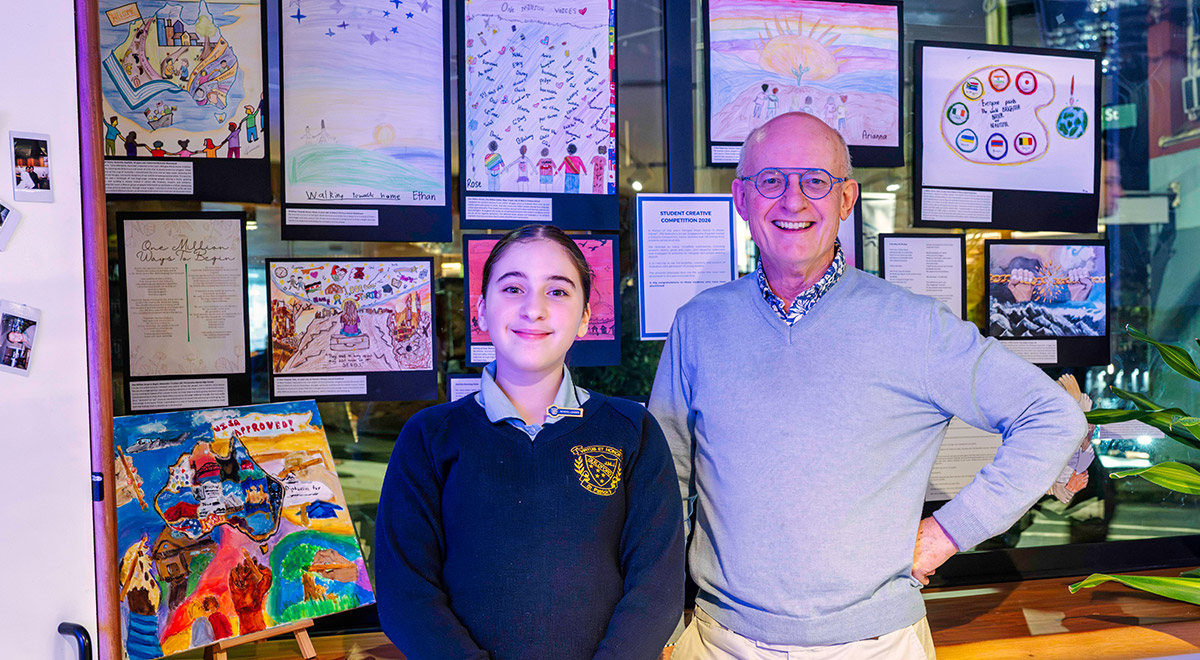
CSPD students recognised in Refugee Week Creative Competition
Over 125 students from 10 Catholic Schools Parramatta Diocese (CSPD) schools have been recognised for their empathy and powerful storytelling as part of the Jesuit Refugee Service (JRS) Australia Refugee Week Creative Competition.
16 Jun 2026
From Facebook
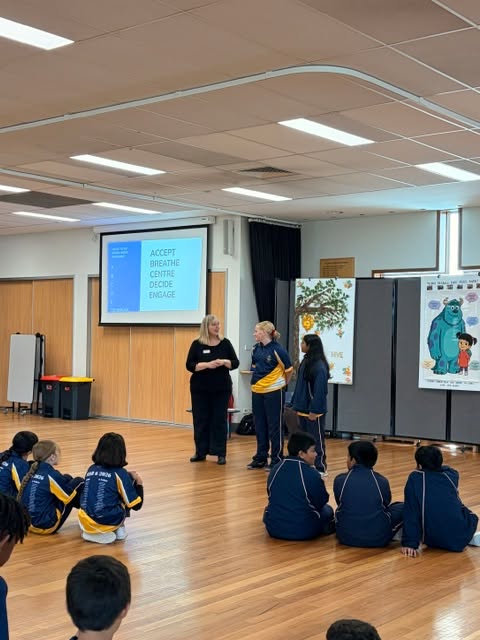
💬 Year 6 Voice of Youth Workshop 💬 A Captivate educator came to SFA to coach the Year 6 students on being effective in speech delivery in preparation for the upcoming diocesan speech competition, Voice of Youth. A fantastic morning spent learning about the importance of us as presenters of a key message we want to send to our audience. The students engaged in activities to help build their confidence. Year 6 have walked away much more comfortable to deliver a speech about something important to them. Students will begin to prepare their speeches in class lessons upon returning to Term 3.
10 Jun 2026
From Facebook
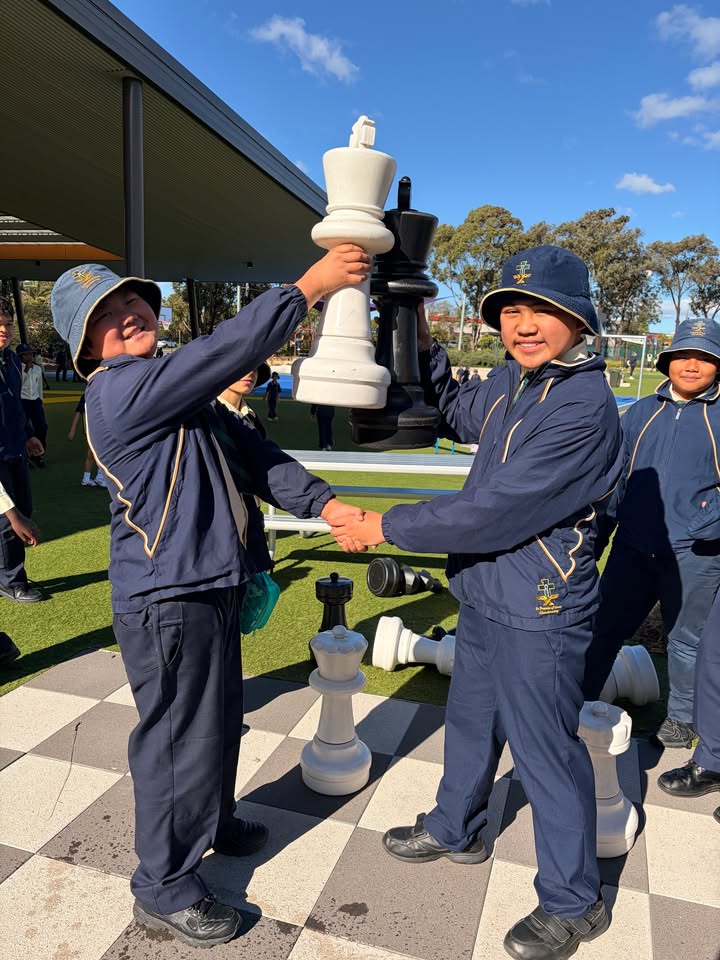
♟️STAGE 3 CHESS COMPETITION ♟️ This term, students from Stage 3 nominated to enter the SFA Chess Tournament. Over a few weeks, students from Year 5 and 6 have been competing, after many spent last term in chess workshops refining their skills. Last week the final game was played by Cody and William with an eager audience to see who would be named Chess Champion. After a great game of focus and skill, William won! Congratulations to William! 🏆 And to all who participated! Well done!
04 Jun 2026
What Your Child Really Learns in the First 100 Days of School
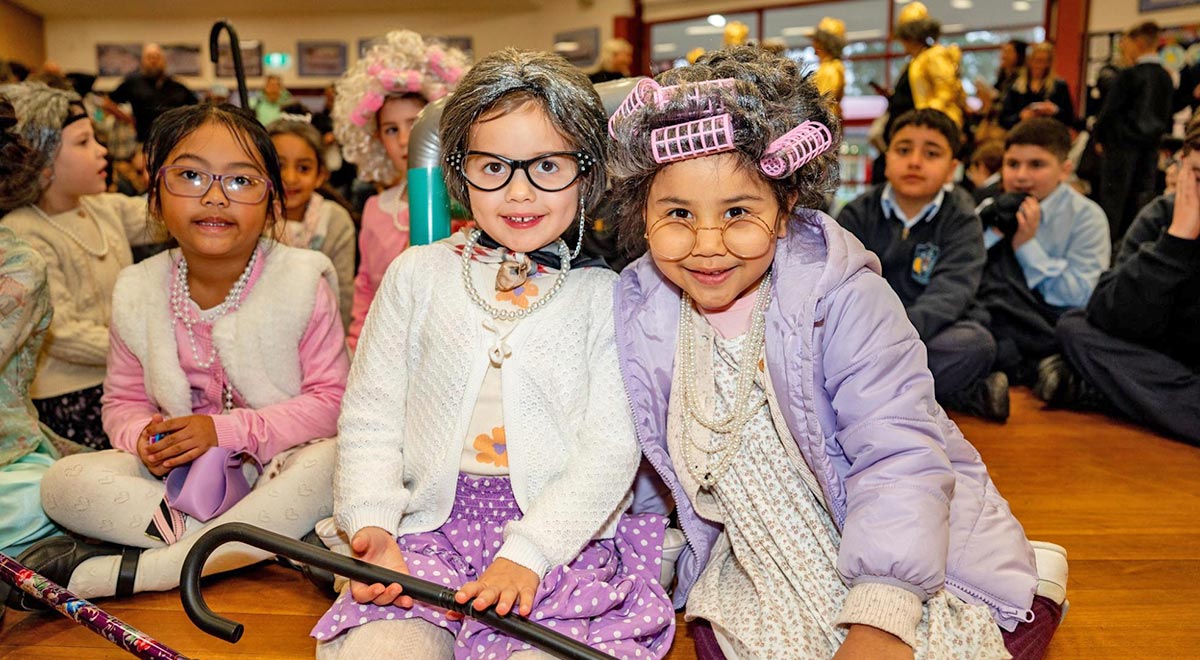
One moment your child is holding your hand at the school gate and before you know it, they're walking in confidently, greeting friends by name, carrying their own bag, and coming home full of stories about 'assembly' and 'sport'. Here’s what to expect in their first 100 days of Kindergarten.
14 May 2026
Music, art, movement: why creativity matters more than you think
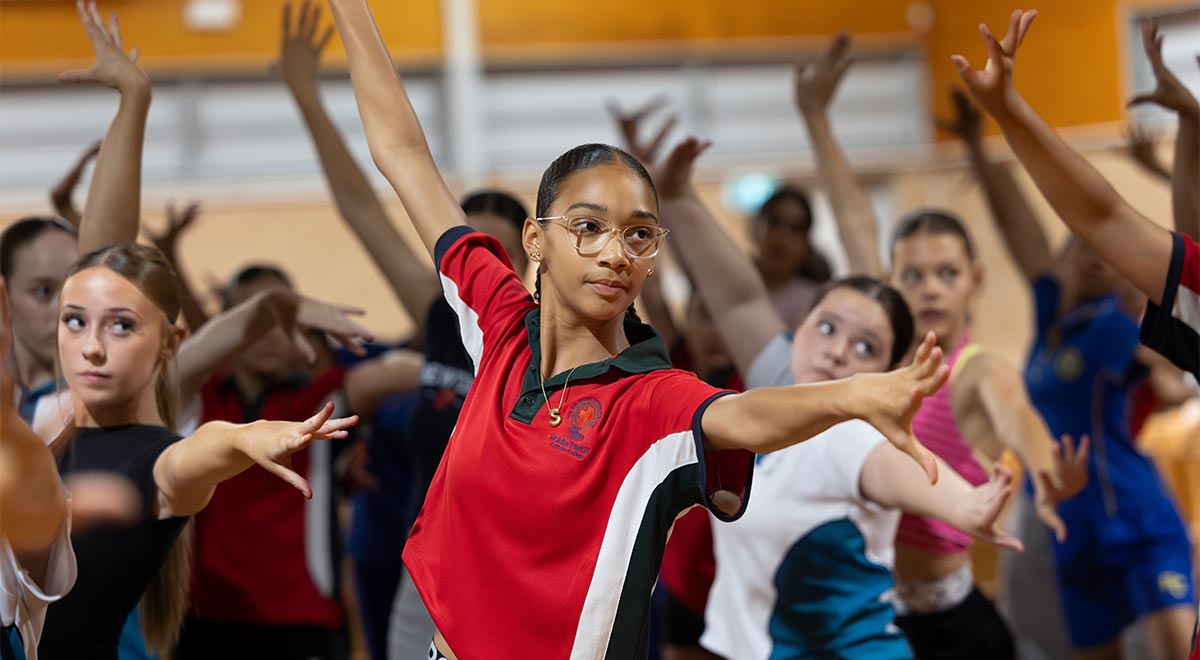
Did you know creativity is one of the biggest predictors of how well children do in school and in life?
02 Apr 2026
From Facebook
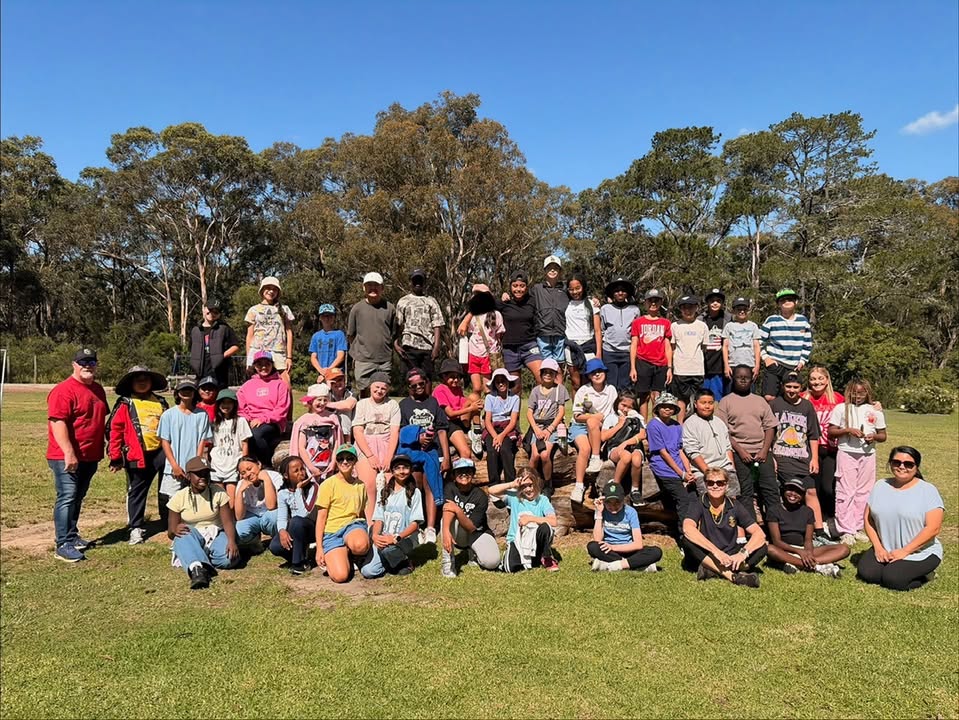
On our way home! 🚍 Year 6 had an awesome time away at camp over the last two days. Throughout the trip they showed outstanding behaviour, supported one another, and truly embraced every opportunity that came their way. Many students stepped outside their comfort zones, challenged themselves with new activities, and demonstrated resilience and teamwork along the way. We are so proud of the courage, positivity, and maturity they showed. What a fantastic group of young people! 👏